Here are the main things to remember when you want to send food products from India to the UAE. Keep these points in mind to make your export process smoother and more successful.
Key Takeaways
- Know the UAE’s food import rules and be ready for strict checks on safety and labels.
- Gather all necessary documents like the Commercial Invoice, Packing List, and Health Certificate.
- Make sure your food products meet quality standards, especially for fruits, vegetables, and spices.
- Labels must be clear, include Arabic text, and packaging should protect the food during travel.
- Work closely with your importer in the UAE to handle approvals and avoid customs delays.
Understanding Food Export Regulations for the UAE Market
Exporting food products from India to the United Arab Emirates (UAE) involves a structured approach to meet specific regulatory demands. The UAE maintains stringent import policies designed to safeguard public health and ensure product quality. Understanding these requirements from the outset is key to a smooth export process.
Navigating Strict Import Policies
The UAE’s food import regulations are detailed and enforced to maintain high standards. Every food shipment requires prior authorization from the importer, who must submit an "Import Request" through the appropriate digital channels. This step is critical before any product can enter the country, confirming its compliance with all relevant food safety laws. Exporters must be aware that the UAE scrutinizes food safety and labeling very closely. This includes ensuring that products meet the quality and consistency expectations of the market. For a successful import, the importer must possess a valid trade license issued by the Department of Economic Development (DED) in the specific emirate where the import will take place.
Key Considerations for Middle Eastern Markets
When targeting the UAE and broader Middle Eastern markets, several factors warrant attention. These markets often have specific preferences and strict rules regarding food products. For instance, fruits and vegetables are evaluated on freshness, size, color, ripeness, and shelf life. Spices are checked for cleanliness, purity, and acceptable moisture levels. Grains and pulses are examined for grain size uniformity, broken percentages, and the absence of pests and moisture. Packaging must be robust and suitable for transit, often requiring moisture-resistant materials. Adherence to these standards is not just about meeting regulations; it’s about building trust and a reputation for quality.
The Importance of Importer Collaboration
Effective collaboration with your importer in the UAE is perhaps the most significant factor in successful food exports. Your importer acts as your representative on the ground and is responsible for navigating local customs and regulatory procedures. They can provide insights into market-specific requirements, assist with documentation, and facilitate approvals. A strong partnership minimizes the risk of delays or rejections due to misunderstandings or non-compliance. This coordination helps ensure that shipments align with market expectations and regulatory demands, contributing to long-term business relationships. For assistance in finding reliable partners and understanding market dynamics, consider exploring resources like purolean.com/#contact.
Essential Documentation for Exporting Food from India
Getting the paperwork right is a big part of sending food from India to the UAE. It might seem like a lot at first, but once you know what’s needed, it’s manageable. Customs officials and the importer in the UAE will check these documents. Making sure everything is in order can prevent delays or even rejection of your shipment.
Core Documents for All Exporters
Most food exports from India require a standard set of documents. These form the backbone of your export process. Having these ready is the first step to a smooth transaction. You’ll need to prepare these documents carefully, as any errors can cause problems down the line.
- Commercial Invoice: This details the transaction, including who you are, who the buyer is, what you’re selling, the quantities, and the price. It’s a fundamental record of the sale.
- Packing List: This document outlines how the goods are packed. It includes details like the number of cartons, the weight of each package, and other packaging specifics. It helps in tracking and managing the shipment.
- Certificate of Origin: This certificate confirms that your food products were grown or manufactured in India. It’s important for trade agreements and customs purposes.
Specific Requirements for Food Shipments
Beyond the core documents, food exports have their own set of requirements. These are often product-specific and relate to safety and quality. For instance, fresh produce will need different certifications than processed goods. It’s wise to check the specific needs for your product category before you start preparing your shipment. You can find more information on general export requirements at [3c6c].
- FSSAI Export Documents: Proof that your food products meet India’s food safety standards is necessary. This shows compliance with domestic regulations.
- Health or Phytosanitary Certificate: This is particularly important for items like fruits, vegetables, spices, and grains. It certifies that the products are free from pests and are safe for consumption in the destination country.
Understanding Document Legalization in the UAE
For shipments to the UAE, document legalization is often a required step. This process involves getting your documents attested by various authorities in India and then by the UAE Embassy or Consulate. It adds an extra layer of verification. The exact requirements can vary, so it’s best to confirm with your importer or a trade consultant.
Document legalization can be a time-consuming process. It’s advisable to start this early in your export planning. Missing or incorrect legalization can lead to significant delays at UAE customs.
If you need assistance with these processes, consider consulting with trade intelligence sources like Purolean. Purolean is FSSAI, ISO 22000, and HACCP certified. Visit purolean.com/#contact for more information.
Product-Specific Requirements for Indian Food Exports
When exporting food from India to the UAE, it’s not a one-size-fits-all situation. Different food categories have distinct requirements that must be met to avoid issues at customs or with the importer. Paying close attention to these specifics can make a significant difference in the success of your export venture.
Quality and Freshness for Fruits and Vegetables
For fresh produce, the primary concern for UAE authorities and importers is freshness. This involves strict checks on the condition of the produce upon arrival. Key factors include:
- Ripeness: Fruits and vegetables should be at an optimal stage of ripeness, not overripe or underripe.
- Shelf Life: A sufficient remaining shelf life is critical, as delays in transit can impact this.
- Appearance: Uniformity in size, color, and absence of blemishes are important quality indicators.
Packaging for fruits and vegetables needs to be robust and often perforated to allow for ventilation, helping to maintain freshness during transit. Delays can lead to spoilage, resulting in rejection of the shipment. Understanding the specific regulations for agricultural products is advisable.
Purity and Moisture Control for Spices
Spices are a major export from India, but their export to the UAE requires careful attention to purity and moisture content. UAE import authorities place a high emphasis on:
- Purity: Spices must be free from foreign matter, adulterants, and contaminants. This includes ensuring no artificial colors or preservatives are used unless explicitly permitted.
- Moisture Content: Excessive moisture can lead to spoilage, mold growth, and affect the spice’s aroma and flavor. Each spice has an acceptable moisture range that must be adhered to.
- Processing: Proper cleaning, drying, and grinding processes are vital. Packaging should be sealed to prevent contamination and moisture ingress.
Shipments found to be polluted or not meeting purity standards are typically rejected. Maintaining high standards in processing and packaging is key.
Grain Size and Pest Control for Grains and Pulses
When exporting grains and pulses, such as rice, lentils, or millets, the focus shifts to physical characteristics and the absence of pests. Importers and regulators look for:
- Grain Uniformity: Consistent grain size and shape are often preferred, indicating a well-processed product.
- Broken Percentage: The amount of broken grains should be within acceptable limits, as high percentages can affect quality and marketability.
- Pest and Contaminant Free: Grains must be free from live insects, larvae, and any signs of infestation. Fumigation certificates may be required.
- Moisture Resistance: Packaging should protect the grains from moisture during storage and transit.
Adherence to these specific product requirements is not merely a formality; it directly impacts market acceptance and can prevent costly rejections or delays at UAE ports. For detailed documentation requirements, consult resources on importing food products.
Working with certified suppliers, such as those with FSSAI and ISO 22000 certifications, can provide an added layer of assurance regarding product quality and safety. Purolean can assist in identifying such compliant suppliers and navigating these product-specific regulations. Contact us at purolean.com/#contact.
Packaging and Labelling Compliance for UAE Bound Foods
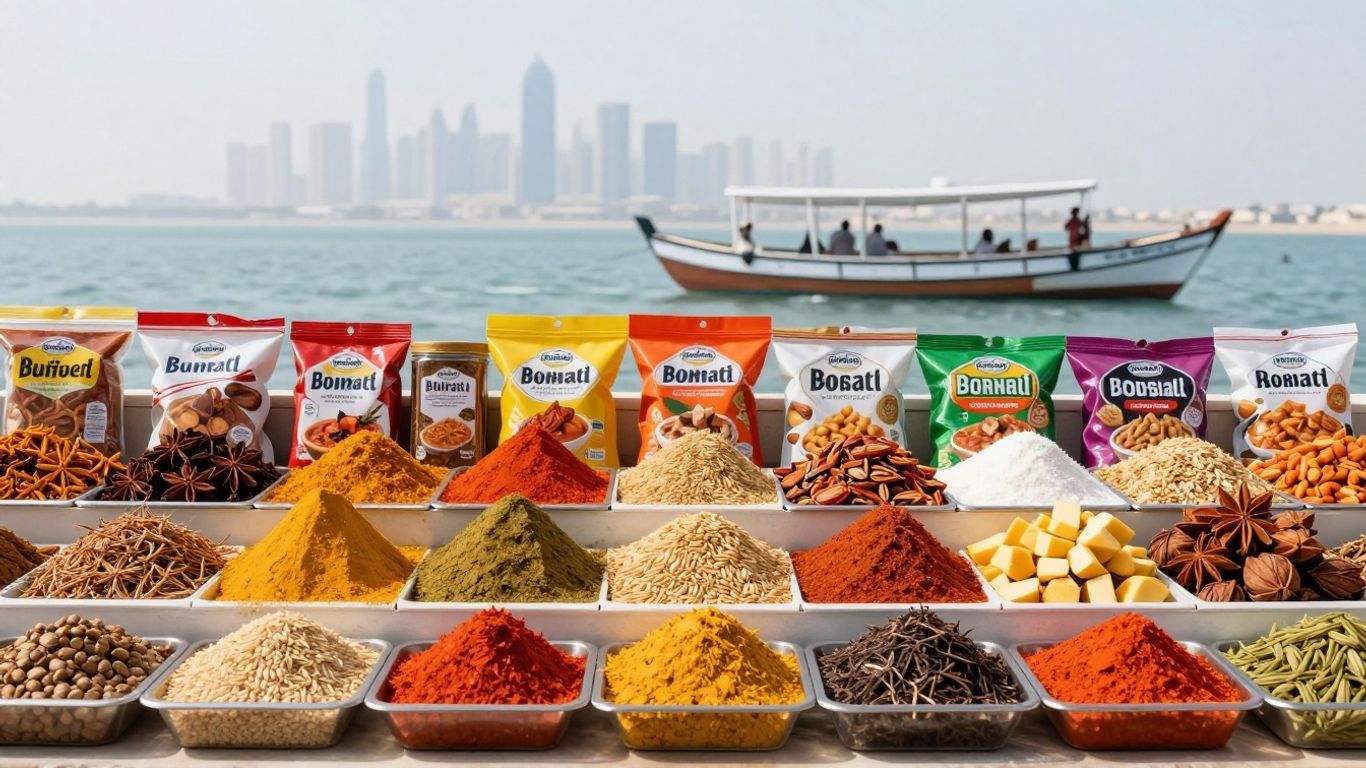
When exporting food products from India to the UAE, paying close attention to packaging and labeling is not just a formality; it’s a critical step that can determine the success or failure of your shipment. The UAE has specific regulations in place to protect consumers and ensure product integrity. Failure to comply with these standards can lead to delays, rejections, and significant financial losses.
Meeting UAE Labelling Standards
The United Arab Emirates mandates that all food product labels must be in Arabic or a combination of Arabic and English. While adding Arabic stickers to existing English labels is permissible, it’s often more efficient and professional to have primary packaging designed with dual-language information. Key details that must be clearly visible include:
- Product Name
- Ingredients List
- Net Weight
- Manufacturing Date
- Expiry or Best Before Date
- Country of Origin (India)
- Importer’s Name and Address (if required by the importer)
Production and expiry dates, in particular, must be clearly printed on the original packaging. This information is vital for customs clearance and consumer safety. For a detailed overview of UAE import requirements, consult UAE food import regulations.
Ensuring Product Safety Through Packaging
Packaging serves a dual purpose: it protects the food from damage and contamination during transit and storage, and it must meet the destination country’s standards. For perishable items like fruits and vegetables, maintaining freshness is paramount. For dry goods such as spices and grains, protection against moisture and pests is essential. The packaging materials themselves should be food-grade and safe for direct contact with the product. Consider the journey your product will take, from Indian ports to UAE distribution centers, and select packaging that can withstand these conditions.
Arabic Language Requirements on Labels
As mentioned, Arabic language is a non-negotiable requirement for food labels in the UAE. This ensures that local consumers can understand the product information. The UAE Ministry of Economy has specific guidelines on how this information should be presented. All mandatory information must be clearly legible in Arabic. If the original packaging does not include Arabic, a sticker with the required information in Arabic can be applied, but it must be affixed in a way that it cannot be removed easily and does not obscure the original information. This requirement is strictly enforced, and non-compliance can lead to the rejection of goods. Understanding these labeling rules is key to a smooth export process.
Proper packaging and labeling are not merely about meeting regulations; they are about building trust with your importer and the end consumer. Clear, accurate, and compliant labeling demonstrates professionalism and respect for the market you are entering. It simplifies the inspection process at UAE ports and contributes to a positive brand image.
For assistance with navigating these complex requirements and ensuring your food exports meet all necessary standards, consider partnering with experienced trade intelligence sources. Purolean can provide insights and support for your export ventures. Visit purolean.com/#contact to learn more.
Navigating Licenses and Permits for Food Exports
Getting the right licenses and permits is a critical step before any food product leaves India for the UAE. These aren’t just bureaucratic hurdles; they are assurances to importing nations about the safety, traceability, and legal compliance of your goods. Without the proper documentation, shipments can face significant delays or outright rejection at customs. It’s always advisable to secure all necessary registrations before committing to large orders or initiating packaging and shipping. This proactive approach builds trust with your buyers and streamlines the entire export process.
General Export Licenses
Every food exporter from India needs a few foundational licenses to operate legally. These are standard requirements that facilitate trade and ensure basic compliance. Purolean, as a certified entity (FSSAI, ISO 22000, HACCP), understands the importance of these initial steps.
- Import Export Code (IEC): This is the primary and non-negotiable license issued by the Directorate General of Foreign Trade (DGFT). No export activity can take place without it.
- FSSAI Export License: Issued by the Food Safety and Standards Authority of India, this license confirms that your food products meet safety and quality standards. It’s a key document checked during customs clearance and by international buyers.
- APEDA Registration: If you are exporting agricultural products, including fruits, vegetables, grains, rice, or certain processed foods, registration with the Agricultural and Processed Food Products Export Development Authority (APEDA) is mandatory. This body works to maintain high standards for India’s agricultural exports.
Licenses for Restricted Food Items
Certain food categories may have additional licensing requirements due to specific health, safety, or religious regulations. It is imperative to research these thoroughly for the UAE market.
- Halal Certification: For products intended for Muslim consumers, obtaining Halal certification from an accredited body is often a requirement in the UAE. This verifies that the food adheres to Islamic dietary laws.
- Specific Product Approvals: Some items, like infant formula or specialized dietary foods, might require specific approvals from UAE health authorities. Always verify the latest regulations for your product category.
Import Permits from UAE Authorities
While Indian export licenses are vital, the importing country, the UAE, also has its own set of requirements. Obtaining an import permit or ensuring your importer has the necessary approvals is part of the process.
- Importer’s Responsibility: Typically, the importer in the UAE is responsible for securing the necessary import permits and ensuring compliance with local food laws.
- Product Registration: Some food products may need to be registered with the UAE Ministry of Climate Change and Environment (MOCCAE) or other relevant authorities before they can be imported.
- Pre-Approval Requirements: For certain sensitive food items, pre-approval might be needed. This often involves submitting detailed product information, ingredient lists, and manufacturing process details.
It’s important to remember that regulations can change. Staying updated on both Indian export requirements and UAE import regulations is key to avoiding disruptions. Working closely with your UAE-based importer will provide clarity on their specific needs and any additional permits they require from your end. This collaborative approach helps prevent last-minute issues and ensures a smooth transit for your food shipments.
For detailed guidance on export procedures and requirements, consult resources like the guide to exporting food products from India in 2026. Understanding the nuances of food export certificates and lists is also beneficial. For any specific queries or assistance with your export documentation and licensing needs, please reach out to us.
purolean.com/#contact
Logistics and Customs Clearance Procedures
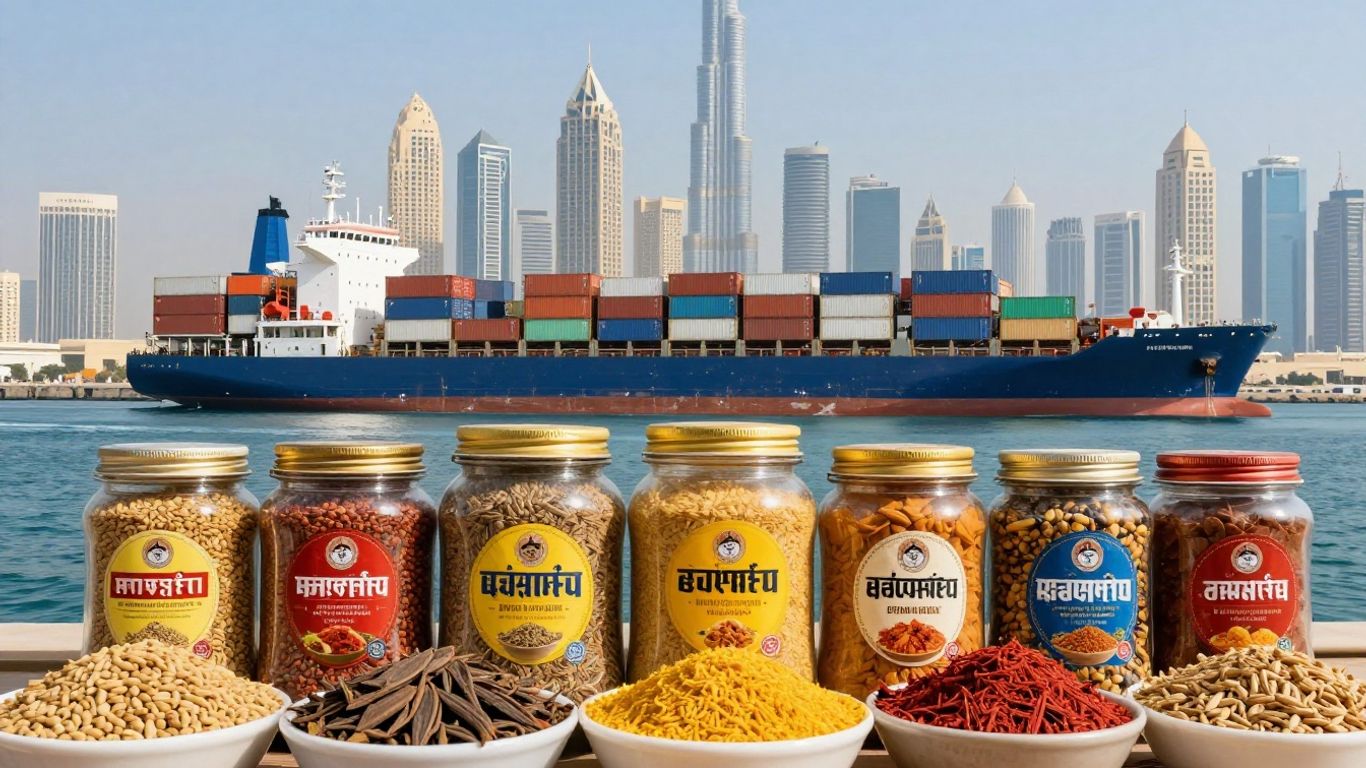
Getting your food products from India to the UAE involves careful planning of how they will travel and pass through customs. This part of the process is where things can get held up if not managed correctly. It’s about making sure your shipment arrives on time and without unexpected costs.
Partnering with Reliable Logistics Providers
Choosing the right logistics partner is a big deal. They handle the actual movement of your goods, so you want someone dependable. Think about companies that have experience with food exports and understand the specific needs of shipping perishable items. They should be able to offer services that cover everything from pickup in India to delivery in the UAE. Dubai has excellent facilities, like Jebel Ali Port, which is a major hub for trade in the Middle East. Working with a good freight forwarder can help you access these facilities and get your products moving efficiently.
Understanding Customs Duties and Tariffs
When your food products arrive in the UAE, they will likely be subject to customs duties. Generally, these duties are around 5% of the value of the goods. However, there are exceptions, especially if you are shipping to a Free Zone within the UAE, where duties might be waived. It’s important to know these rates beforehand to calculate your costs accurately. The India-UAE Comprehensive Economic Partnership Agreement (CEPA) can also play a role here, potentially reducing tariffs on many items exported from India.
Leveraging Trade Agreements for Reduced Tariffs
Speaking of trade agreements, the CEPA between India and the UAE is something exporters should pay close attention to. This agreement aims to boost trade between the two countries, and a key part of that is reducing or eliminating tariffs on a wide range of products. For food items, this can mean significant cost savings. You’ll need to make sure your products qualify and that you have the correct documentation, like a Certificate of Origin, to claim these benefits. Understanding how to use these agreements can give you a competitive edge in the UAE market. Filing export declarations electronically through platforms like ICEGATE in India is a standard procedure for shipments.
Proper planning in logistics and customs is not just about avoiding delays; it’s about ensuring the integrity of your product and building trust with your UAE buyers. Mistakes here can be costly and damage your reputation.
Here’s a quick look at what to expect:
- Shipping Documentation: Ensure all paperwork is accurate and complete. This includes commercial invoices, packing lists, and any required certificates. A digital Certificate of Origin is often a key document.
- Customs Declaration: Your logistics provider will typically handle the customs declaration process in the UAE.
- Duty Payment: Be prepared to pay applicable customs duties unless your shipment qualifies for an exemption.
- Delivery: Once customs clearance is granted, your goods will be released for final delivery.
purolean.com/#contact
Conclusion
Exporting food from India to the UAE can be a profitable venture if you plan it right. Understanding the rules, getting your paperwork in order, and working with good partners are key. Indian food is popular in the UAE, and by following these steps, you can build a strong business relationship and avoid common problems. It’s all about being prepared and knowing what the UAE market expects. Good luck with your export journey!
Frequently Asked Questions
What are the main rules for sending food from India to the UAE?
The UAE has strict rules about food safety and what’s on the label. You need to make sure your food is safe to eat and that your labels follow their rules, which often means using both English and Arabic.
What papers do I absolutely need to send food to the UAE?
You’ll need things like a Commercial Invoice, a Packing List, and a Certificate of Origin. For food, a Health Certificate is also very important to show it’s safe for people to eat.
Do I need special permission to export food from India?
Yes, you might. While some things can be exported easily, food items often need FSSAI approval in India and sometimes an import permit from the UAE authorities before you can send them.
How should I package and label my food for the UAE market?
Your packaging needs to keep the food fresh and safe. Labels must be easy to read and include information in Arabic. Check the UAE’s specific rules for what needs to be on the label.
What if my food shipment gets delayed at customs in the UAE?
Delays often happen because of paperwork mistakes or if the food doesn’t meet the rules. Having all your documents correct and working with a good importer who knows the system can help prevent these problems.
Is it hard to export spices or grains from India to the UAE?
Spices and grains are popular, but they have strict checks. For spices, they look at how clean and pure they are, and how much water is in them. For grains, they check for pests and make sure the grain size is right. Good packaging helps a lot.