Key Takeaways
- Halal certification is a verification that food meets Islamic dietary rules, not a government license like FSSAI.
- Several private organizations in India provide Halal certification; choose one recognized by your target import country.
- The certification process involves an application, document review, and a physical audit of the supplier’s facilities.
- Key documents include business registration, ingredient lists, and production process details.
- Always verify the certification’s validity and scope directly with the supplier and the certifying body.
Understanding Halal Certification in India
What Constitutes Halal Food Certification?
Halal food certification is essentially a verification process. It confirms that a food product adheres to Islamic dietary laws. This means checking that all ingredients are permissible – no pork, alcohol, or forbidden additives. It also looks at how the food is made, making sure the facility is clean and free from contamination. The whole production process needs to follow specific Halal standards. Once a product passes, the certifying body gives a certificate and allows the use of a Halal logo. This is a way to build trust with consumers who follow these dietary rules. For a deeper look into what this entails, you can explore Halal certification requirements.The Significance of Halal Meat Certification
When it comes to meat, Halal certification has specific requirements. It covers the slaughter and processing of animals. According to Islamic law, the animal must be alive and healthy when slaughtered. The slaughter must be performed by a Muslim who invokes the name of Allah. It’s also important that all the blood is drained from the carcass. Halal meat certification verifies that these steps are followed from slaughter through processing, packaging, and even the cold chain. For businesses exporting meat to many Muslim-majority countries, this certification is often a requirement. It’s not just about the slaughter; it’s about the entire journey of the meat.Halal vs. FSSAI: Key Distinctions
It’s important to understand that Halal certification and FSSAI (Food Safety and Standards Authority of India) certification serve different purposes. FSSAI certification focuses on the general safety and quality standards of food sold in India. It ensures that food is fit for human consumption from a public health perspective. Halal certification, on the other hand, is specific to Islamic dietary laws. While a product might be FSSAI approved, it doesn’t automatically mean it’s Halal. Businesses often need both, depending on their target markets and consumer base. For instance, exporting to certain countries might require Halal certification in addition to meeting local food safety regulations. This dual approach helps businesses meet diverse market demands.Navigating Halal Certification Bodies in India
When sourcing food products from India, understanding the landscape of Halal certification bodies is a necessary step. It’s important to know that Halal certification in India is not managed by a government agency. Instead, it’s handled by private, third-party organizations. These bodies must be recognized or accredited by the countries you intend to export to. This recognition is key for your products to be accepted in international markets.Recognised Halal Certification Organisations
India has several established organizations that provide Halal certification. Some of the prominent ones include:- Jamiat Ulama-i-Hind Halal Trust (New Delhi): This is a widely known and globally accepted body. They certify a range of businesses, from food manufacturers and slaughterhouses to hotels and restaurants.
- Halal India Private Limited: This organization offers services like consultation, auditing, and certification across various sectors, including food, cosmetics, and pharmaceuticals.
- Halal Certification Services India Pvt. Ltd.: Another significant player in the field, providing certification for food products and other consumer goods.
Choosing the Right Certifying Body for Your Business
Selecting the appropriate certifying body depends on several factors. Your primary consideration should be the recognition of the certifier by your target import markets. If you are exporting to a specific country, verify which Indian Halal certification bodies are accepted there. Additionally, consider the organization’s experience within your specific food sector. Some bodies may have more specialized knowledge in areas like meat processing or dairy production. The Halal Council of India often collaborates with various organizations to streamline certification processes.Accreditation and Importing Country Recognition
Accreditation is a critical aspect of Halal certification. Certifying bodies themselves are often accredited by international accreditation bodies. This accreditation signifies that the certification body adheres to strict standards and procedures. When selecting a supplier, inquire about their Halal certification body’s accreditation status. Furthermore, confirm that the certification will be accepted by the food regulatory authorities in your destination country. This due diligence prevents potential rejections at customs and ensures smooth market access. Purolean.com/#contactThe Halal Certification Process for Suppliers
Securing Halal certification for your food products involves a structured process designed to verify compliance with Islamic dietary laws. This process is essential for accessing global Muslim markets and building consumer trust. It typically begins with an application and culminates in an on-site audit.Step-by-Step Application and Audit Procedure
The journey to Halal certification usually follows a defined path. It’s important for suppliers to understand each stage to prepare adequately and streamline the process. This ensures that your operations meet the stringent requirements expected by certifying bodies and international buyers.- Application Submission: The process starts with submitting a formal application to a recognized Halal certification body. This application will require detailed information about your business, products, and manufacturing processes.
- Document Review: Once submitted, the certifying body will meticulously review all provided documentation. This includes ingredient lists, sourcing information, production flowcharts, and quality control procedures. They are looking for any potential non-compliance with Halal standards.
- Signing of Service Agreement: If the initial documentation review is satisfactory, a service agreement outlining the terms, conditions, and fees for certification will be presented for signing.
- Physical Audit: Inspectors from the certifying body will conduct an on-site audit of your facility. This is a critical step where they verify that your documented procedures are being followed in practice. They will check ingredient storage, production lines, cleaning protocols, and staff training.
- Corrective Actions (If Necessary): If any discrepancies or non-compliances are identified during the audit, you will be provided with a report detailing the issues. You will need to implement corrective actions within a specified timeframe and provide evidence of these changes.
- Certification Issuance: Upon successful completion of the audit and verification of any corrective actions, the Halal certificate will be issued. You will also be granted the right to use the official Halal logo on your products and marketing materials.
Typical Timeline for Halal Certification
While the exact duration can vary based on the complexity of your operations and the responsiveness of the certifying body, most Halal certifications in India can be completed within 30 to 60 days. Factors influencing this timeline include the completeness of your application, the availability of auditors, and the speed at which any necessary corrective actions are addressed. Early preparation and clear communication with the certifying body can help expedite the process. For businesses looking to export spices, understanding these timelines is key to meeting market demands, as seen with companies like Vad Industries.Maintaining Certification Through Renewals
Halal certification is not a one-time achievement; it requires ongoing commitment. Certificates are typically valid for one year and must be renewed annually. The renewal process usually involves a review of your compliance records and may include a periodic audit to ensure continued adherence to Halal standards. Maintaining robust internal systems for traceability and quality control is vital for a smooth renewal process. This ongoing verification helps to uphold the integrity of your Halal status and maintain the trust of consumers and international partners. For detailed guidance on export requirements, resources like Vad Industries can be informative.Essential Documentation for Halal Compliance
To successfully source food products from India that meet Halal standards, meticulous attention to documentation is required. This paperwork serves as the backbone of your verification process, providing tangible proof of compliance for both your business and the importing authorities. Without proper documentation, even a compliant product can face significant hurdles in international trade.Required Business and Product Information
When engaging with potential suppliers, you will need to gather specific details about their business operations and the products you intend to source. This initial information gathering is key to understanding their general suitability.- Company Registration and Licenses: Proof of legal business operation in India.
- Product Catalogues: Detailed lists of all food items offered, including product codes and descriptions.
- Manufacturing Capacity: Information on production volumes and capabilities.
- Existing Certifications: Copies of any current certifications, such as ISO 22000 or HACCP, which indicate a commitment to food safety standards.
Ingredient and Formulation Details
This is perhaps the most critical area for Halal verification. Every component of a food product must be scrutinized to ensure it adheres to Islamic dietary laws. This requires a deep dive into the supplier’s formulations and their raw material sourcing.- Complete Ingredient List: A full breakdown of all ingredients used in each product, including additives, flavorings, and colorings.
- Supplier Declarations: Written confirmation from each ingredient supplier stating that their materials are Halal-compliant. This should include details on the origin of all components.
- Process Flow Charts: Visual representations of the manufacturing process, from raw material intake to finished product, highlighting critical control points for Halal integrity.
- Alcohol Content Verification: Specific documentation detailing any alcohol used in processing (e.g., for extraction) and confirmation that it is either non-intoxicating or has been fully evaporated, as per Halal guidelines.
The origin and processing of every single ingredient, no matter how minor, must be traceable and verifiable. This includes checking for hidden animal derivatives or prohibited substances in seemingly innocuous items like emulsifiers or coatings. A robust system for ingredient verification is non-negotiable.
Ensuring Traceability and Record Keeping
Traceability is paramount in maintaining Halal integrity throughout the supply chain. It allows for the tracking of products from their origin to the final consumer, which is vital for audits and in the event of any issues. Good record-keeping practices are a sign of a well-managed and compliant supplier.- Batch Numbering System: A clear system for assigning unique batch numbers to all production runs.
- Raw Material Tracking: Records linking specific batches of finished products back to the exact raw materials and suppliers used.
- Production Logs: Detailed daily or per-batch records of processing steps, temperatures, times, and any deviations.
- Storage and Distribution Records: Documentation of how products are stored and transported to maintain their Halal status.
Key Requirements for Halal Food Production
Ingredient Permissibility and Sourcing
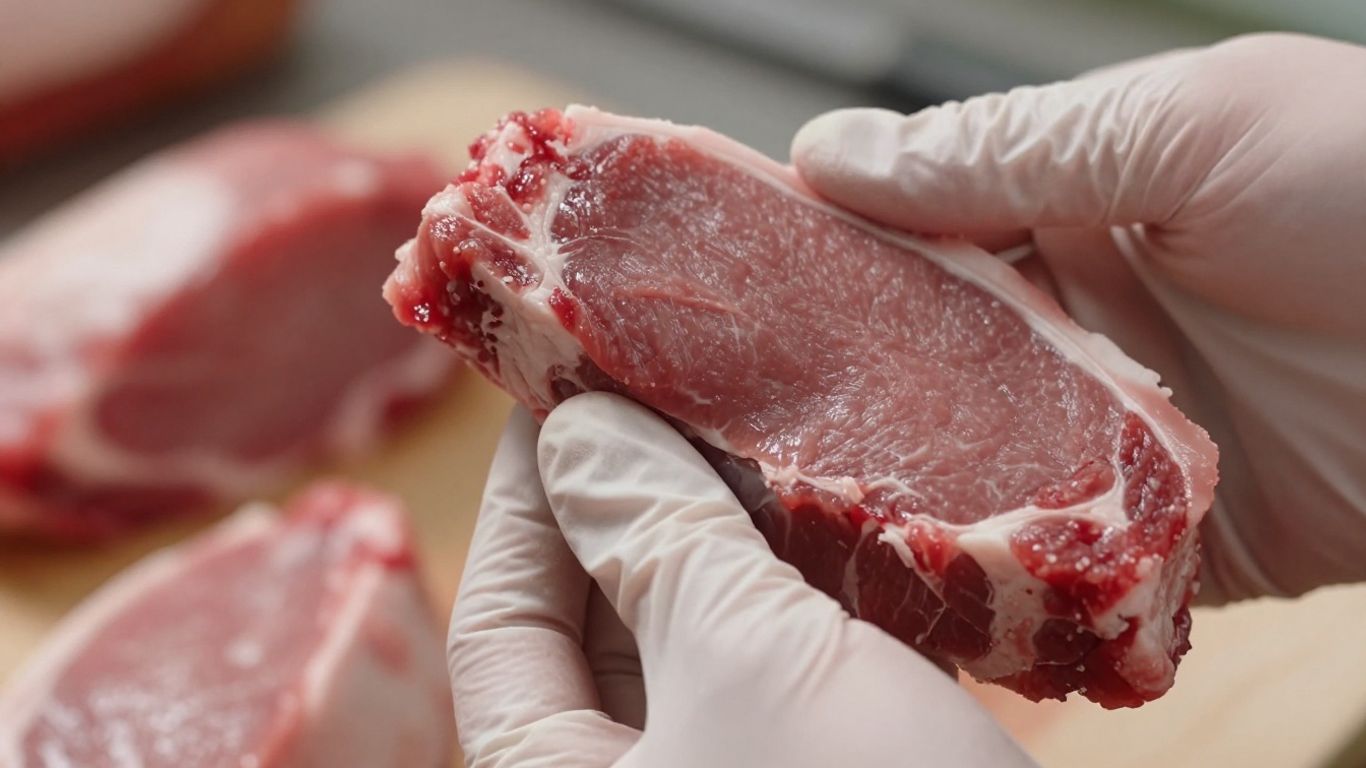
When producing food for the Halal market, the absolute first step is to scrutinize every single ingredient. This means no pork or pork by-products, no alcohol in any form, and no ingredients derived from animals that weren’t slaughtered according to Islamic rites. This rule applies to everything, even seemingly minor things like emulsifiers, colorings, or flavorings. You need to get documentation from your raw material suppliers that clearly states their compliance. It’s about making sure everything that goes into your product is permissible. For detailed guidelines on producing and exporting halal food, refer to Standard TAS 8400-256X Halal Food.Facility Hygiene and Cross-Contamination Prevention
Keeping your production area clean is non-negotiable. This isn’t just about general cleanliness; it’s about preventing any contact between Halal and non-Halal materials. If you’re using shared equipment, it needs to be thoroughly cleaned and sanitized according to Halal standards before you start producing Halal items. Dedicated processing lines, equipment, and workstations are ideal. If that’s not possible, strict, documented cleaning procedures are a must. Staff need to wear clean protective gear and follow these procedures closely. Monitoring production activities and keeping good records helps track any potential issues. Even cleaning agents and lubricants used in the facility must be Halal-compliant.Employee Training on Halal Standards
Your team needs to understand why these rules are important. Training employees on Halal standards, hygiene practices, and the specific procedures for preventing cross-contamination is vital. They should know how to handle Halal ingredients and products correctly, from receiving raw materials to packaging the final product. This training helps build a culture of compliance throughout your operation. Regular checks and audits, both internal and external, are also part of maintaining certification. This ensures that your production consistently meets the required standards.Maintaining Halal integrity goes beyond just the ingredients. It involves a holistic approach to production, storage, and handling, where every step is carefully managed to prevent contamination and uphold Islamic principles. This commitment builds trust with consumers and opens doors to global markets.
Benefits of Halal Certification for Exporters
Securing Halal certification for your food products from India can significantly broaden your business horizons. It’s not just about meeting religious requirements; it’s a strategic move that opens up substantial market opportunities and builds consumer confidence.Accessing Global Muslim Markets
The global Halal market is substantial, estimated to be worth over $2 trillion, with nearly 1.9 billion Muslims worldwide. Halal certification acts as a passport to these lucrative markets, particularly in regions like the Middle East, Southeast Asia, and North Africa. For many of these countries, Halal compliance is not just preferred but a legal prerequisite for importing food products. Without it, your products simply cannot enter. This certification is essential for exporting spices to the Middle East, ensuring compliance with Islamic dietary laws throughout production, processing, and packaging. This certification is a mandatory requirement for most businesses operating in the region.Enhancing Brand Trust and Ethical Positioning
In today’s market, consumers are increasingly aware of ethical sourcing and production. A recognized Halal certification logo on your packaging serves as an immediate signal of trust for Muslim consumers. It assures them that your product has undergone rigorous verification, covering everything from ingredient sourcing to final packaging. This transparency builds loyalty not only among Halal consumers but also among those who value ethical and clean production practices. It demonstrates a commitment to quality and safety that can differentiate your brand.Meeting International Retailer Demands
Many international retailers, especially those operating in or sourcing for Muslim-majority countries, actively seek out Halal certified suppliers. This demand is driven by their own need to cater to their customer base and comply with import regulations. Having Halal certification can give you a significant competitive edge in a crowded marketplace. It can also lead to increased orders and the potential for long-term partnerships with distributors in these key markets. For businesses looking to export meat and meat products, Halal certification under frameworks like QCI i-CAS is becoming mandatory for entry into numerous countries.The process of obtaining and maintaining Halal certification involves strict adherence to specific guidelines. This includes ensuring all ingredients are permissible, preventing cross-contamination in production facilities, and maintaining thorough documentation. Regular audits and renewals are part of the commitment to upholding these standards.For more information on how to integrate Halal compliance into your export strategy, visit purolean.com/#contact.
Verifying Halal Certified Food Suppliers in India
When sourcing food products from India, confirming the validity and scope of Halal certification is a critical step for international buyers. This verification process helps ensure compliance with Islamic dietary laws and builds trust with consumers in global markets. It’s not just about a logo on a package; it’s about understanding the integrity of the entire supply chain.Identifying Reputable Halal Certified Food Suppliers
Finding suppliers who genuinely adhere to Halal standards requires careful selection. Look for suppliers who have a clear and established relationship with recognized Halal certification bodies. Some of the prominent organizations in India include Jamiat Ulama-i-Hind Halal Trust and Halal India Private Limited. It is also important to note that the Food Safety and Standards Authority of India (FSSAI) does not issue Halal certification; this is handled by private, third-party organizations. For meat exports, certification under the QCI i-CAS framework, accredited by NABCB, is increasingly becoming a requirement for many importing countries.Due Diligence for International Buyers
International buyers should conduct thorough due diligence beyond just accepting a certificate. This involves:- Requesting the Certificate: Always ask for a copy of the current Halal certificate. Check that it is issued by a reputable and recognized certification body.
- Verifying the Scope: Ensure the certificate covers the specific products you intend to source and the production facilities involved.
- Checking for Accreditation: For export markets, confirm that the certifying body is recognized by the importing country’s authorities. Global Halal Certification Services (GHCS) is one such agency with international alliances.
- Understanding the Audit Process: Inquire about the supplier’s Halal certification process, including their internal controls and audit frequency.
The Halal certification process itself often leads to improvements in overall quality management and hygiene practices within a company. This is because the audits examine everything from ingredient sourcing to final packaging, pushing businesses to maintain higher standards.
Confirming Certification Validity and Scope
Certification validity is not permanent. Certificates have expiry dates and require periodic renewal. Buyers should always verify that the certificate is current and has not expired. Furthermore, the scope of the certification is vital. A certificate might cover only certain products or specific production lines. It is important to match the certificate’s scope precisely with the products being procured. Some tools and apps can assist in checking food labels for Halal compliance, offering an additional layer of verification for consumers and buyers alike. For further assistance in identifying and verifying Halal certified suppliers, explore resources at purolean.com/#contact.Conclusion
Sourcing food from India requires careful attention to Halal certification, especially for international markets. By understanding the process, choosing the right certifying bodies, and performing due diligence, businesses can confidently partner with a reputable halal certified food supplier in India. This not only ensures compliance with Islamic dietary laws but also opens doors to lucrative global markets and builds strong consumer trust.Frequently Asked Questions
What does ‘Halal’ mean for food?
Halal is an Arabic word that means ‘lawful’ or ‘allowed’ in Islam. For food, it means the ingredients are okay to eat (like no pork or alcohol) and that it was prepared in a clean way that follows Islamic rules.
Who gives Halal certificates in India?
In India, Halal certificates are given by private groups, not the government. Some well-known ones are Jamiat Ulama-i-Hind Halal Trust and Halal India Private Limited. It’s important that these groups are accepted by the countries you want to sell to.
Is Halal certification the same as FSSAI?
No, they are different. FSSAI is a food safety license required for all food businesses in India, set by the government. Halal certification is a religious certification for Muslim consumers and is voluntary. Having one doesn’t mean you have the other.
How long does it take to get Halal certified?
Getting Halal certification usually takes about 30 to 60 days. This time is for submitting papers, having checks done, and getting the final approval.
What if a supplier’s certificate expires?
If a certificate expires, the supplier is no longer officially Halal certified. You should always check the expiry date and make sure it’s current. Suppliers usually need to renew their certification every year or so.
Why is Halal certification important for exporters?
Many countries with large Muslim populations require Halal certification for food imports. It shows that the food meets their religious standards, making it easier to sell your products there. It also builds trust with Muslim consumers worldwide.